Onboard in Q3 2026: The Quarter We Opened Our Doors
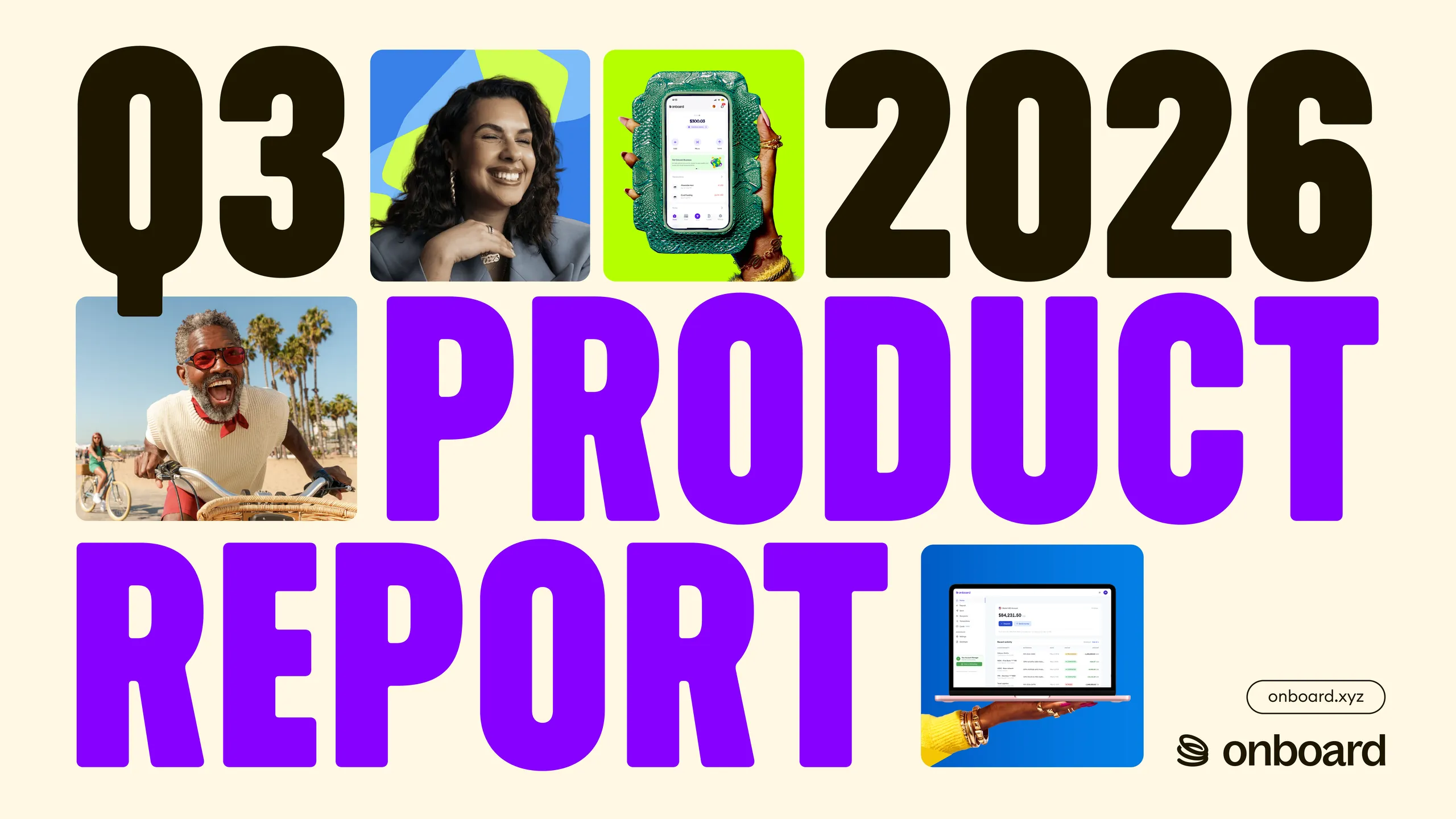
Q3 was one of the more overstimulating quarters we've ever had at Onboard. But what we shipped and the results we've gotten? Phenomenal.
At the start of the year, I wrote about a first quarter we built with our users. Every release in that recap came from something our users had told us they needed.
Another request kept coming back from some of those users: "Can I use Onboard for my business?"
Q2 was the quarter we built what was needed to power transactions for businesses, and Q3 was the quarter we finally shipped it. This is the story of how Onboard Business went from an idea to a live product with businesses moving real money on it, and the people who made that happen.
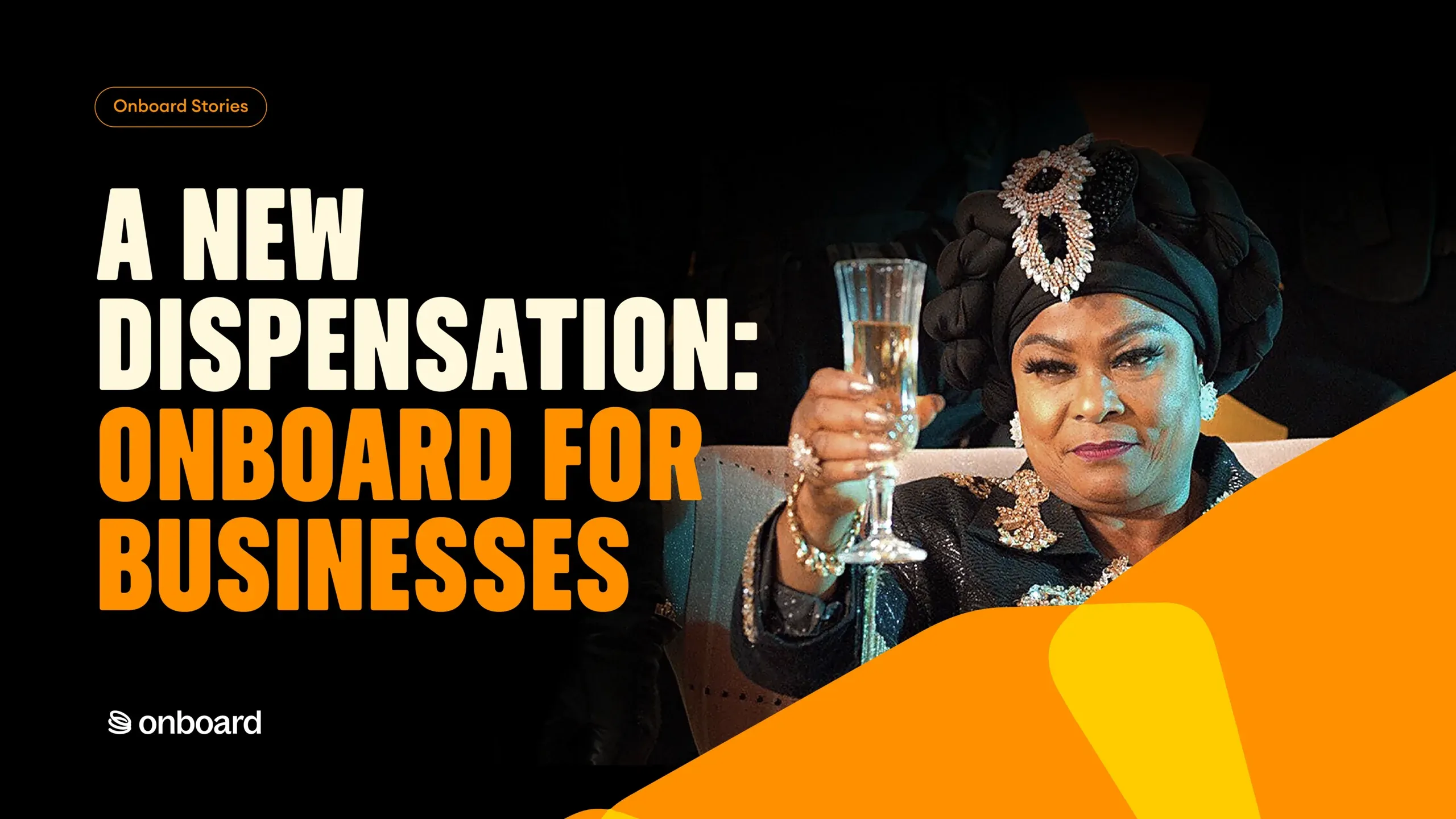
A new dispensation for Onboard
When we first introduced Onboard for businesses, we called it a new dispensation. It was a promise that the rails we'd built for individuals would soon work for companies too.
In Q3, that promise became a product. And it also came with a change at the top.
As Onboard Business went fully live, Paul Oladimeji took on the mantle of CEO from Yele Bademosi, who shared the news himself and stays on as Chairman. It was a big moment to hand over the keys to the company. And in the last three months, Paul has done an excellent job of steering the whole team and its direction through a launch quarter.
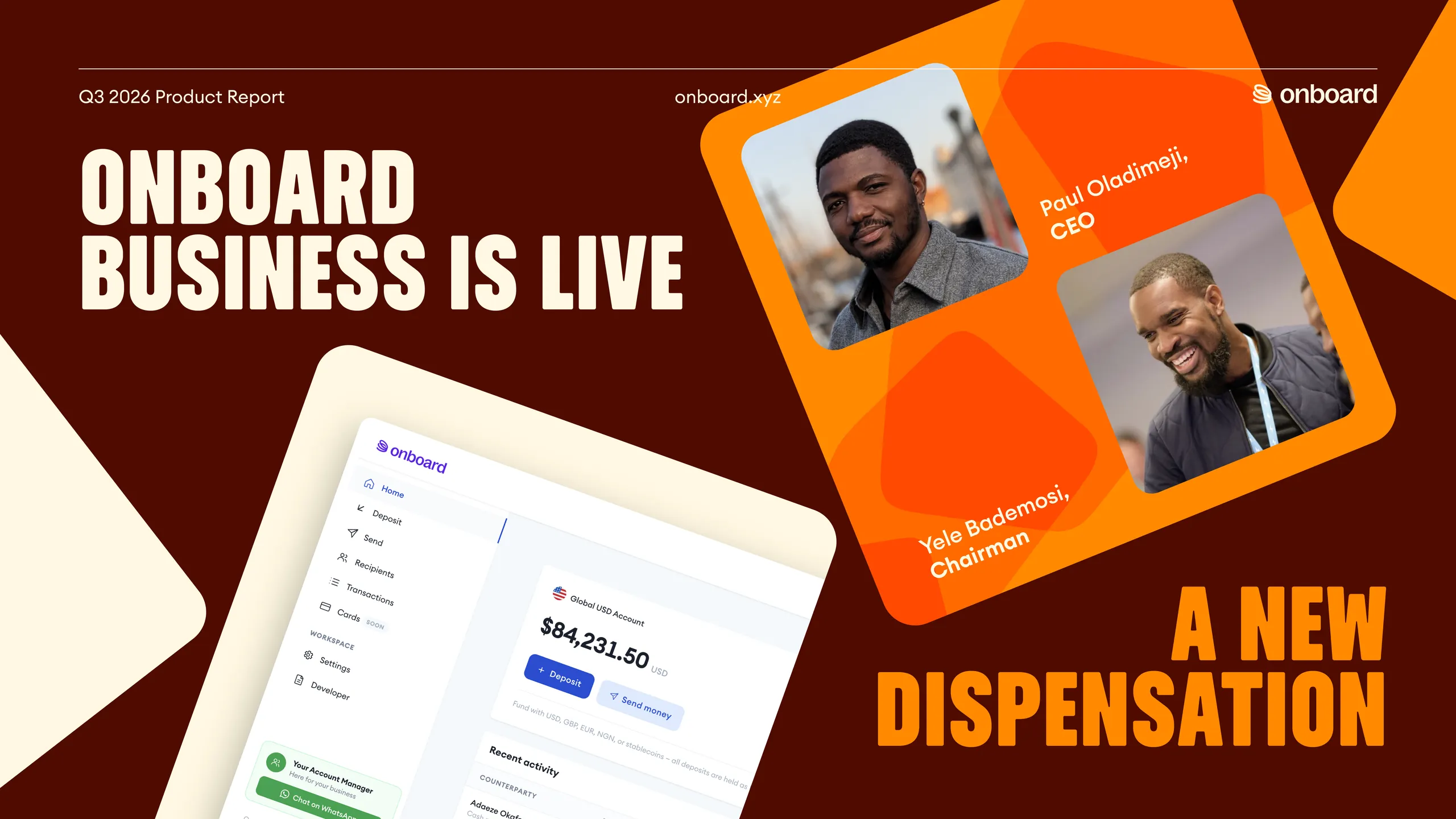
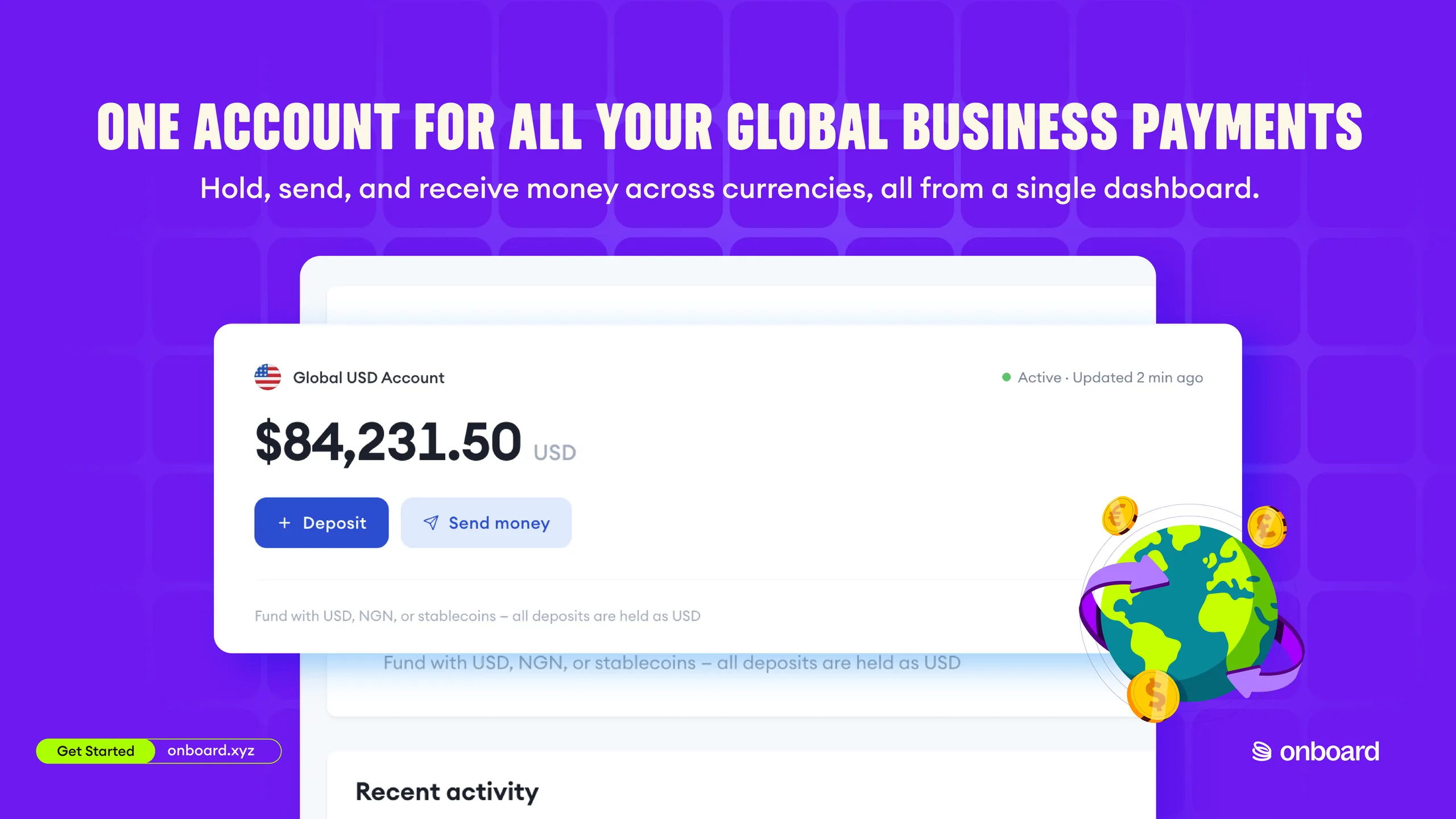
The early numbers told us we were onto something. In its first month, Onboard Business has processed well over eight figures in USD.
For a product that was brand new this quarter, that's not a number we take lightly. It means businesses trusted us with money that matters to them.
How we brought our first businesses onboard
Many of our first business customers weren't strangers.
They were people who had used Onboard personally for months, for years. They had received and sent money with us, paid with our Flex Cards, and trusted us. When Onboard Business opened up, they brought their companies along.
Paul Fashanu, CEO of HotNewAfro, had made it clear since 2025 that all he needed was Onboard (and a local bank) to power his personal and business finances. So it was no surprise when he booked a call to get a business account for his brand too.
That's how we approached every business. We spent a lot of the quarter on partnership and product discovery calls, sitting with founders, finance leads and operators to understand how money actually moves through their business.
Those calls ended up shaping the product as much as any planning session did. They told us which features businesses actually needed. Approving payments with an authenticator app came from those conversations. So did sub-accounts, which businesses asked for so they could separate funds by team, client or project.
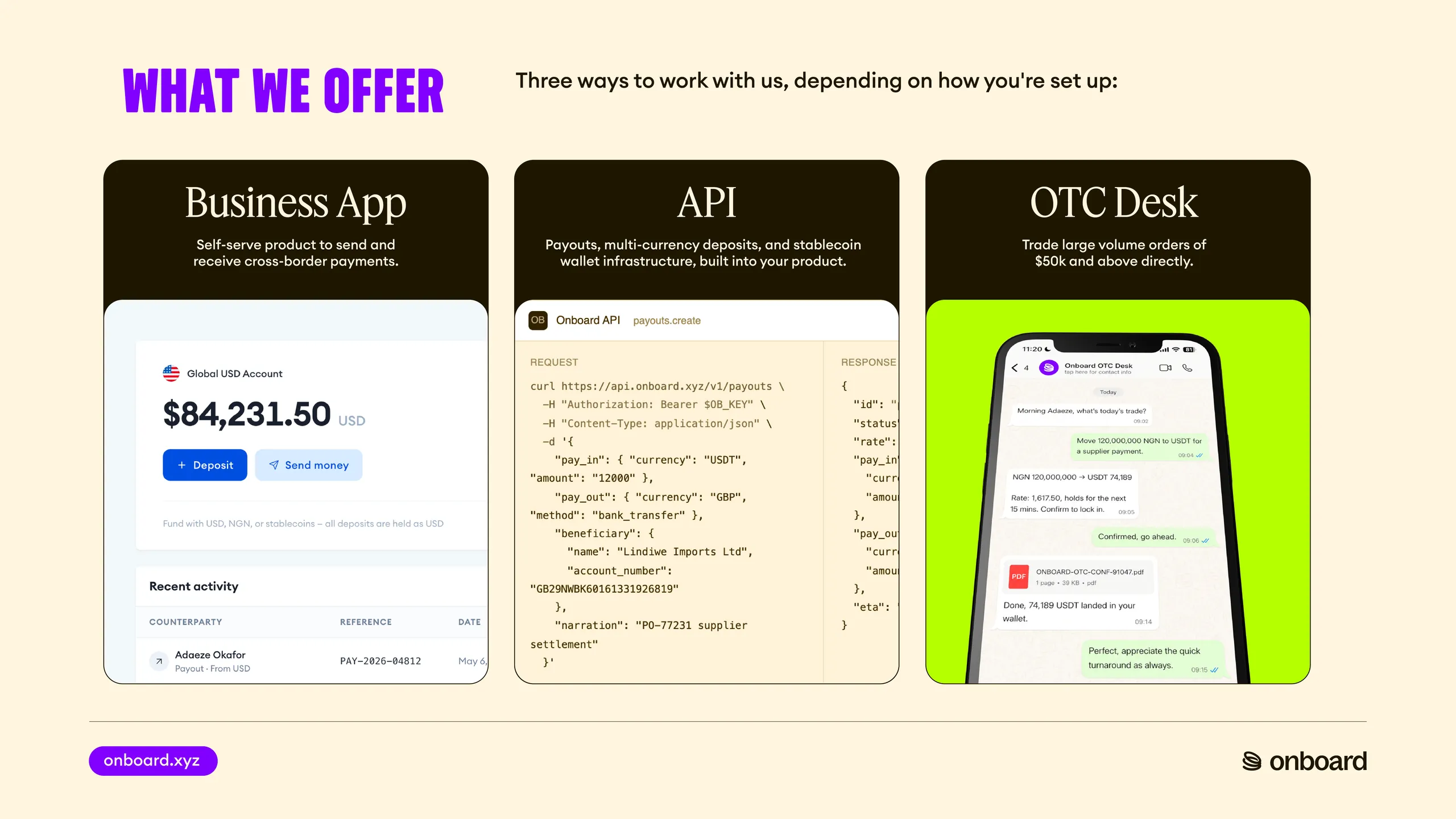
They also taught us how to offer Onboard. Some businesses wanted a self-serve dashboard. Some wanted our rails inside their own product. Some just wanted a person on the other end of a chat for large trades. Listening closely is how we landed on three clear ways to work with us: the Business App, the API and the OTC desk.
Our relationship manager, Collins, was at the centre of all of it. Once a discovery call confirmed which products a business needed, Collins became the person they'd talk to when getting set up, when we needed their feedback or when they simply wanted to know what's coming next.
Paul Oladimeji and I showed businesses what Onboard could do. The businesses got onboard, and we built the personal relationships that kept them here. A lot of the warmth people feel when they work with Onboard Business starts right there.
What we shipped in Q3, and the stories behind it
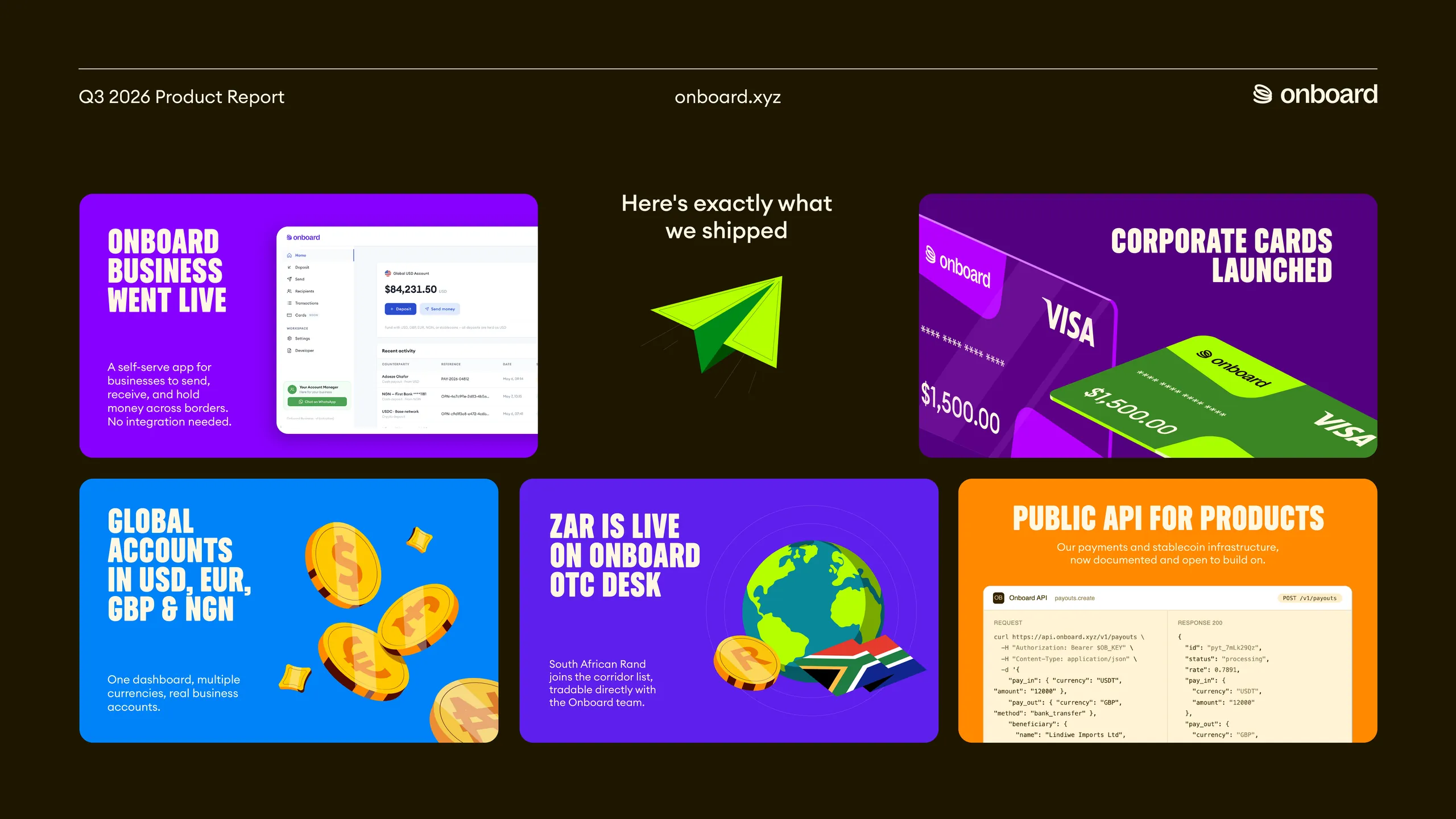
Each one of these has its own small story.
The Business App came first, and it came to the web. Most business finance work happens on a laptop, usually with a spreadsheet open in the next tab. So the first version of Onboard Business lives in the browser, with nothing to integrate before you can make global payments.
Then came the accounts. USD, EUR, GBP & NGN accounts for businesses. Payments that come in through these accounts settle in USD on the Business App, so teams work from one balance instead of juggling several.
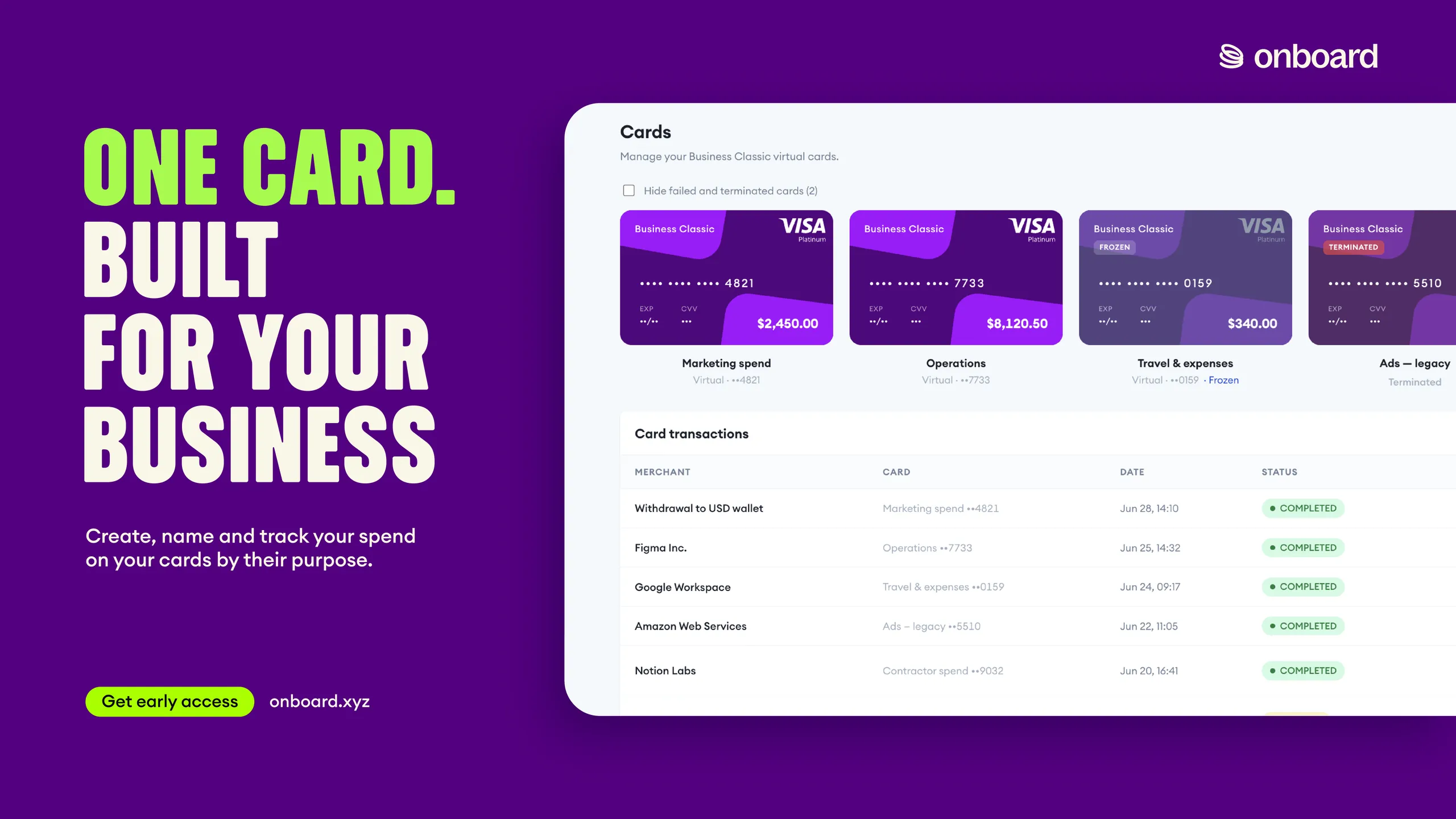
Corporate Cards came last, and it deserves its own story, seeing as it's the most recent thing we cooked.
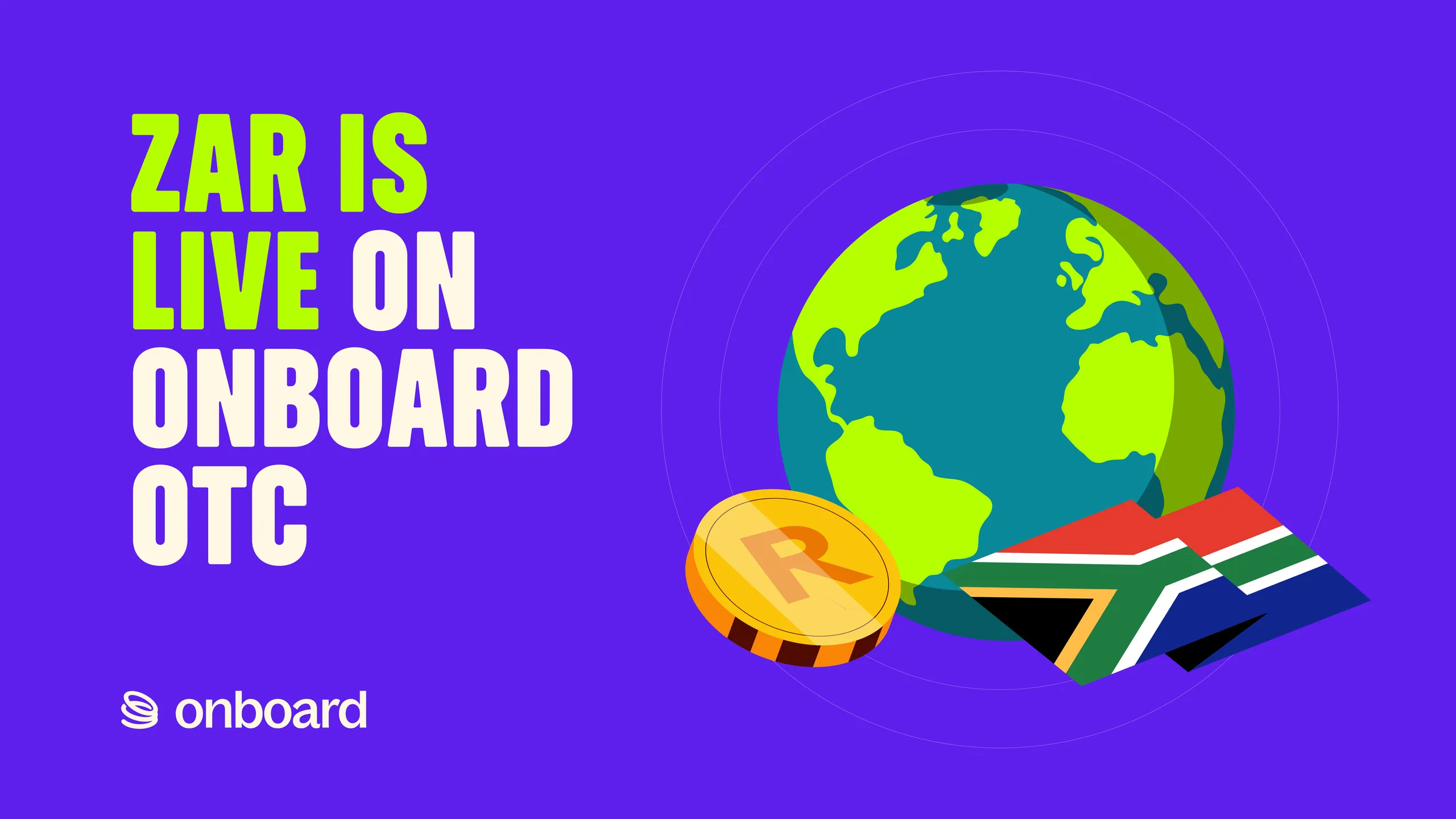
ZAR joined the OTC desk, opening a new corridor for businesses trading with South Africa.
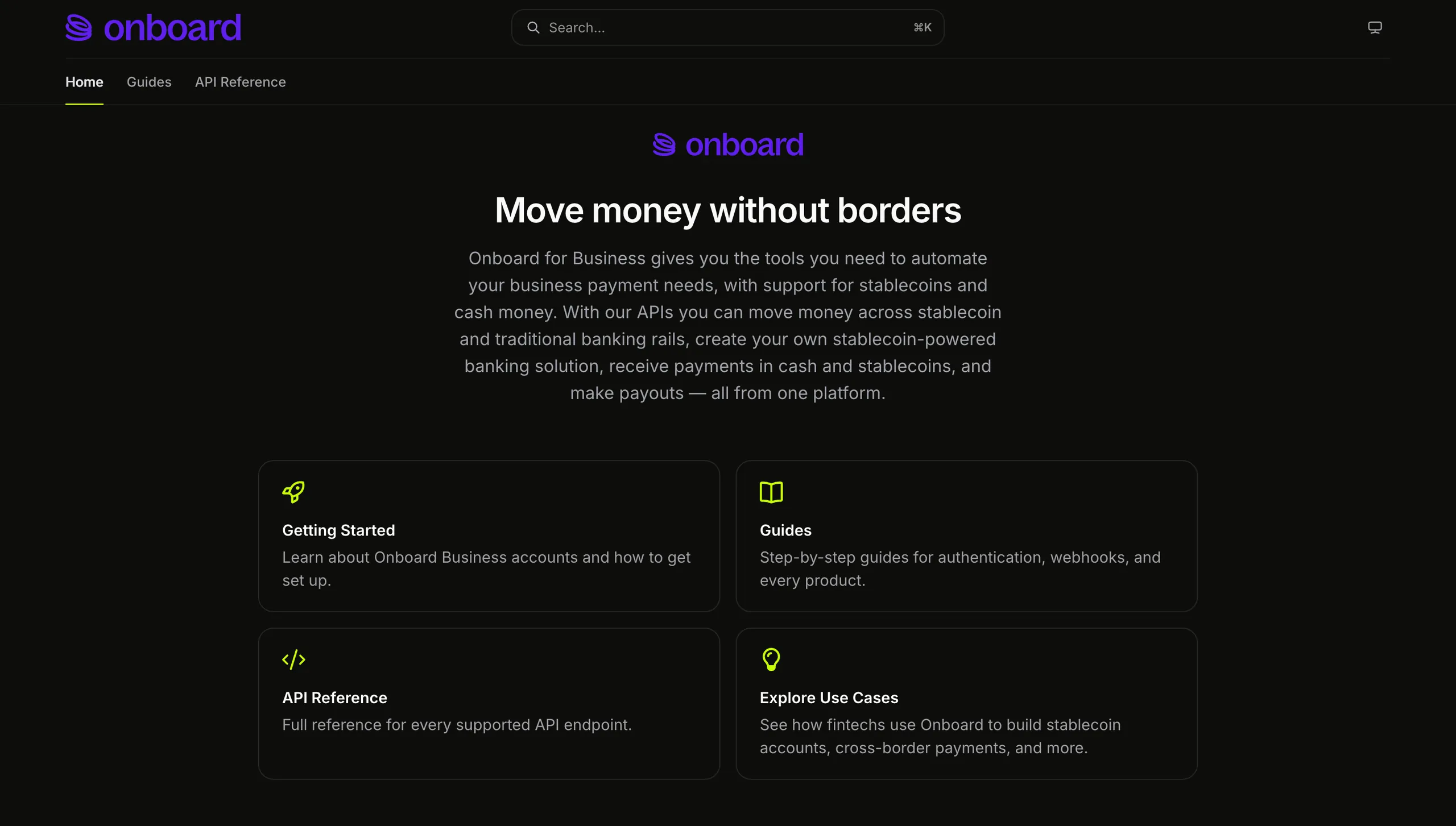
Our API docs went public at docs.onboard.xyz, so developers can see exactly how our payments and stablecoin infrastructure works before they even talk to us.
How we designed, built and explained it all
Onboard Business wasn't built by a large team. It was built by a few people who shipped fast. Paul Oladimeji, our CEO, led development of the Business App and the Onboard API, while our cracked engineering team built the infrastructure that powers every transaction.
On the web pages, product marketing, product design and brand design worked as one unit. We started with what businesses kept asking on calls, and built only the pages that answered those questions.
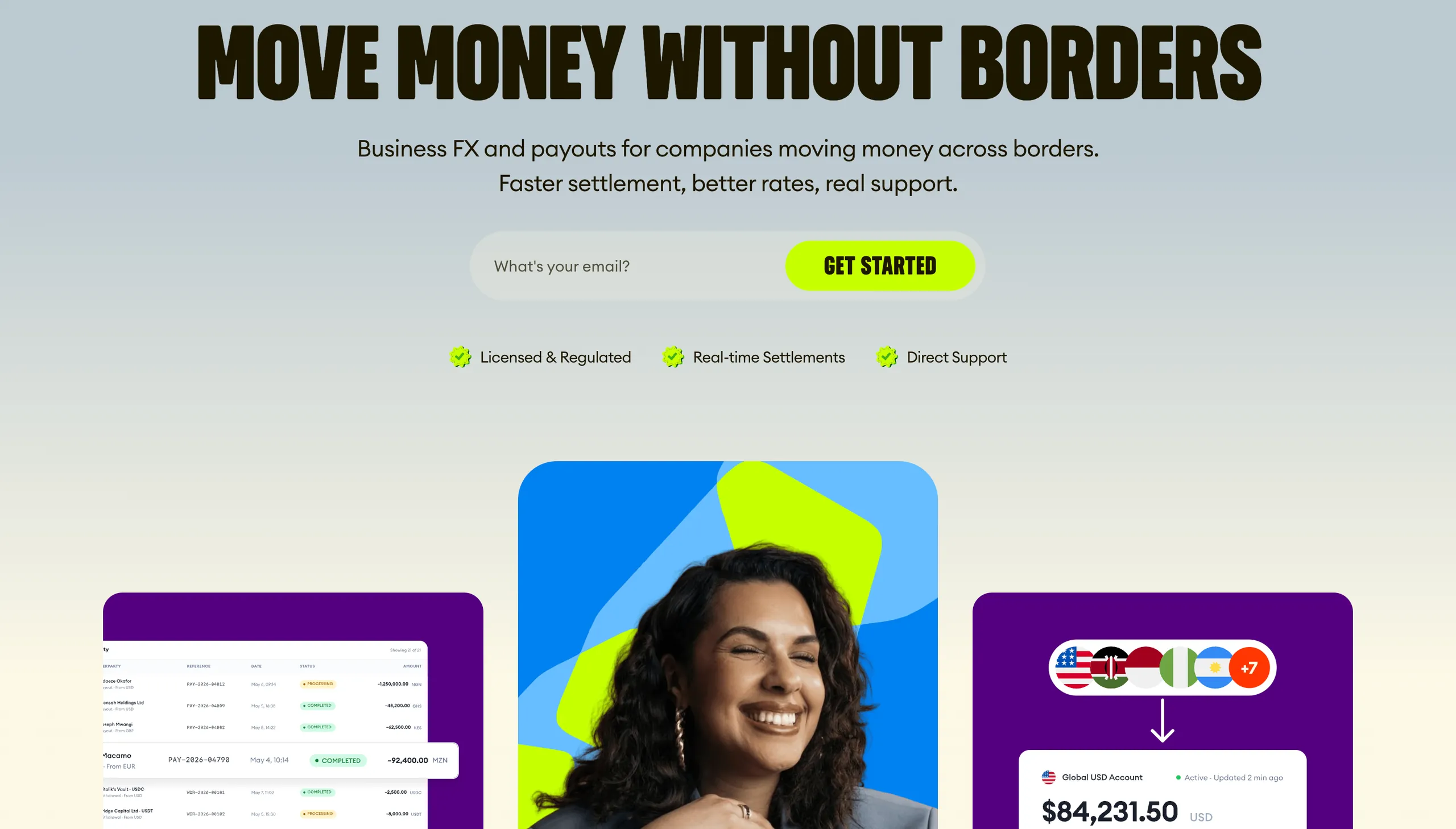
Joshua, our brand designer, is the reason every release this quarter looked like it belonged to the same family. Every product that launched came with launch videos and images, and those were Joshua's work. So were the walkthrough videos that guide businesses through the app, and the sales decks too.
For the public comms we put out, the process was simple. As product marketer, I'd bring the copy and the visual direction, and Joshua would bring it back sharper than I'd imagined it. Working that way, release after release, was honestly elite.

Damilola, our product designer, did far more than design screens and flows. He also built systems and automations behind the scenes that qualify good-fit businesses faster and speed up KYB (Know Your Business) Verification and onboarding. Damilola worked hand in hand with Kofo, who leads our compliance team, to make that process faster and more seamless.
Speed never came at the cost of safety, though. From day one, we were keen on making sure Onboard Business was compliant and regulated, and Kofo's team kept us honest on that at every step. That same care extended to every business we onboarded, with diligent checks up front so each one can transact with confidence.
Guide content to help businesses get started
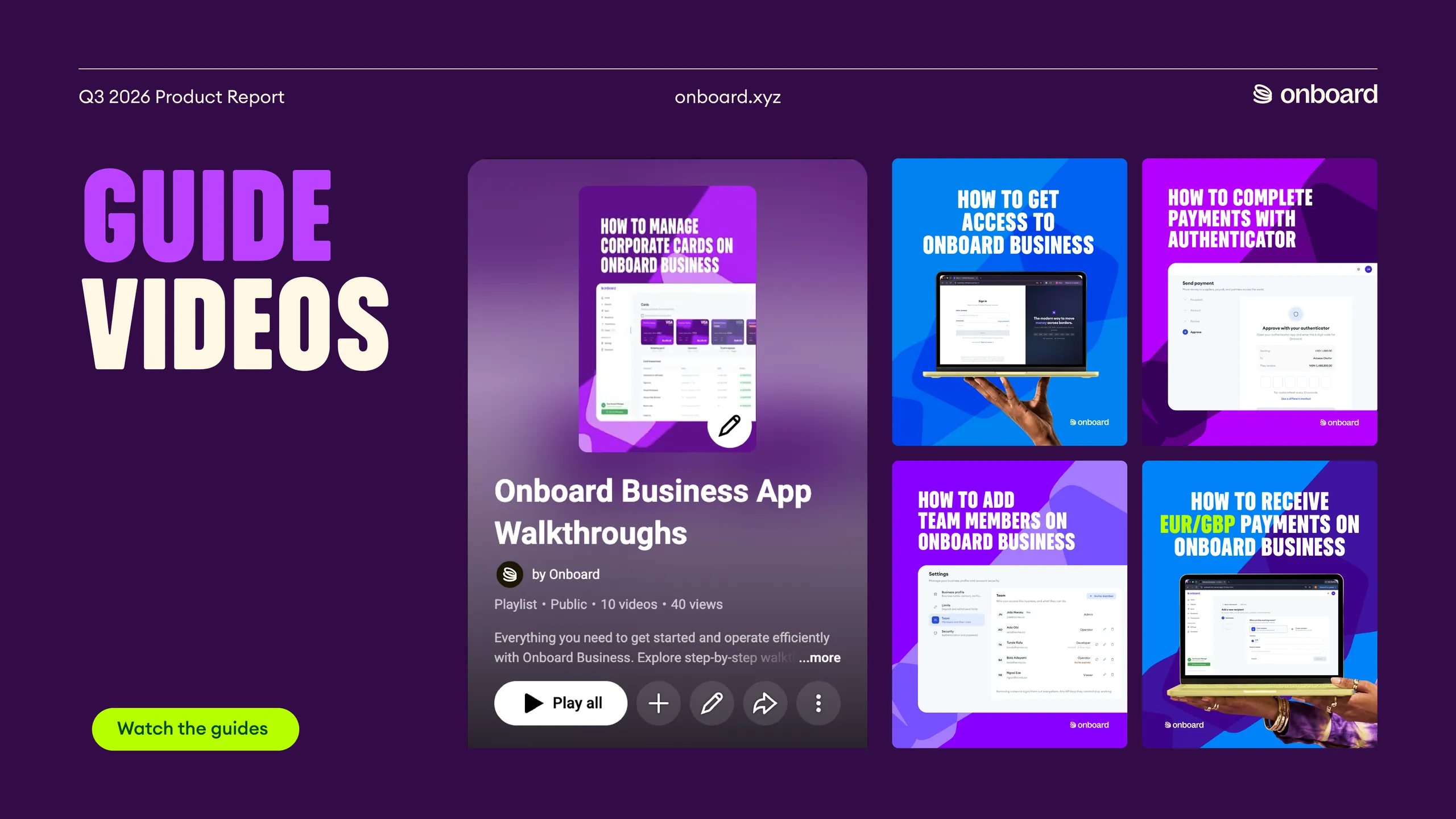
We also wrote 10 blog articles and recorded 10 short walkthrough videos. Together they cover the details of our products, what we're building, cross-border payments infrastructure, and the moments where new users most often get stuck, from getting access to adding teammates. The articles are on the Onboard Blog and the videos are in this YouTube playlist.
Meanwhile, the OTC desk kept moving
While most of our building energy went into the Business App, the OTC desk never slowed down.
Joy runs it. Businesses that need to move large volumes, think $50k and above, talk to Joy directly. A quote comes back, gets locked, gets confirmed, and the funds land. Often, the whole trade happens inside one chat thread.
It's proof that some businesses don't want a dashboard at all. They want a brand or person they trust a fair rate, and a trade that settles. Our sales team gives them exactly that, and with ZAR now on the desk and more corridors to come, there's more for them to trade.
Tracking progress as we grew
The eight-figure numbers didn't come from guesswork.
Tobi built the dashboard that shows how many businesses are transacting and how much they're moving across each product.
We checked and reviewed it frequently, and those growth updates told us what to optimise next, where businesses were dropping off before their first transaction, and what would bring them back again and again. On top of that, Tobi took charge of a share of our distribution efforts, helping get Onboard Business in front of the people who needed it.
Onboard Corporate Cards
Corporate Cards are our newest release, and they had the longest road to get here.
It started with a teaser and a waitlist. Businesses showed interest before we'd shown much more than a card design, which told us the need was real. The Corporate Cards were built so teams and businesses could pay for tools, subscriptions, ads, travel, etc with ease.
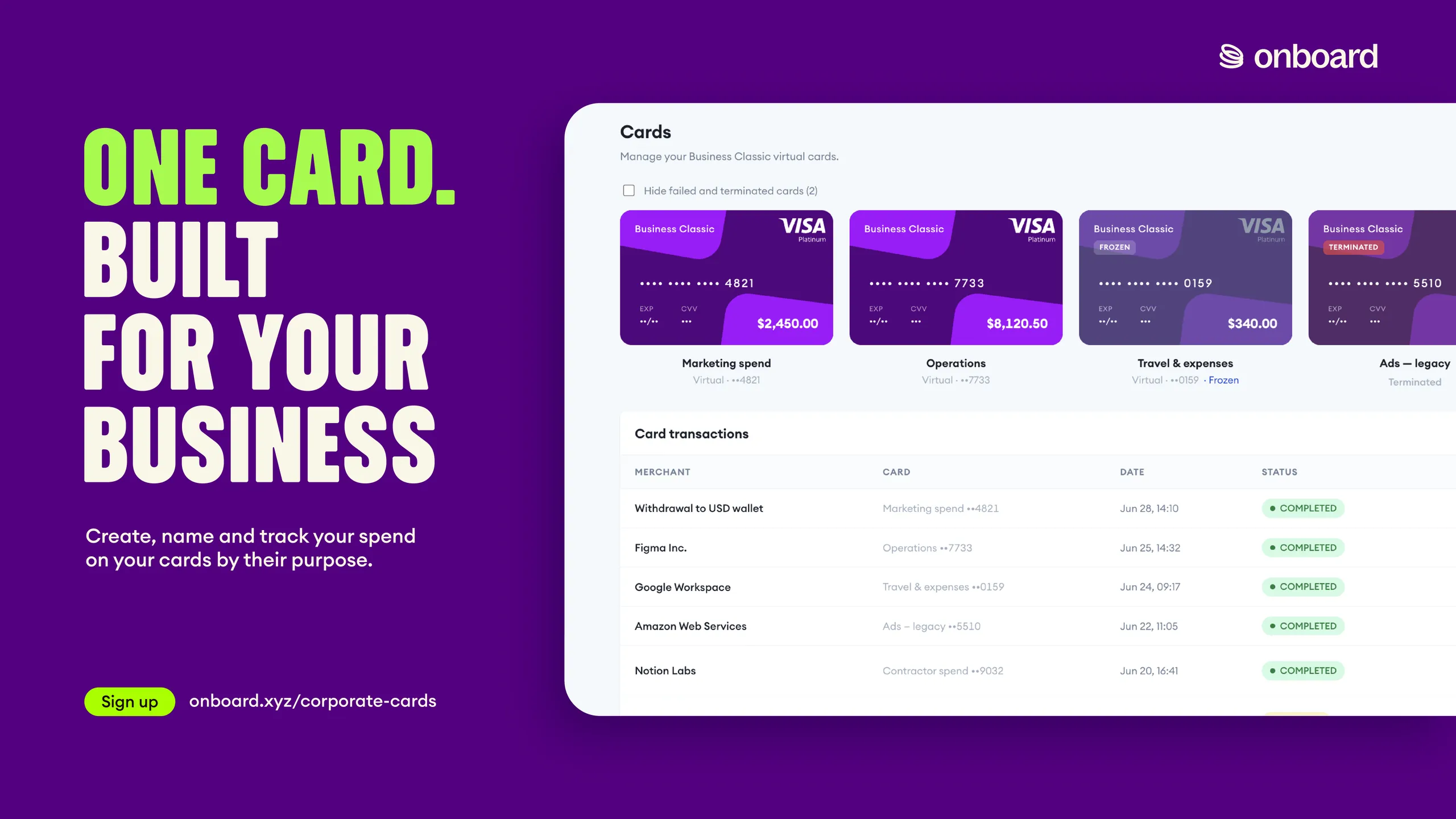 As the quarter closed, the cards went live.
If your team could use one, get Corporate Cards for your business here.
Building for businesses without forgetting individuals
Onboard started as an app for people, and it still is one. So while the business side grew, the personal side got its own refresh.
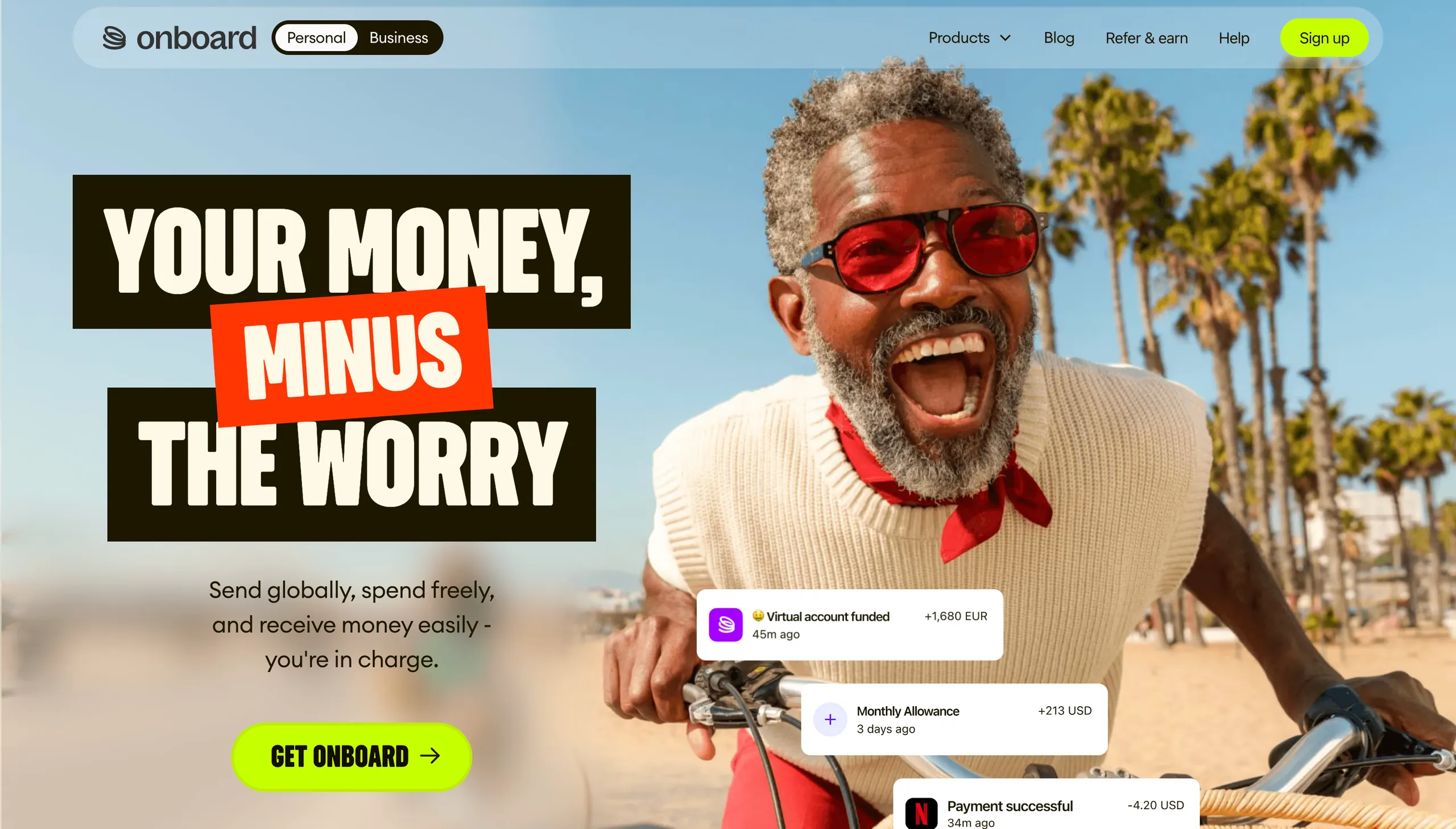
The Personal page, the new Global Accounts page and the Cards page were all rebuilt to communicate what our product does better.
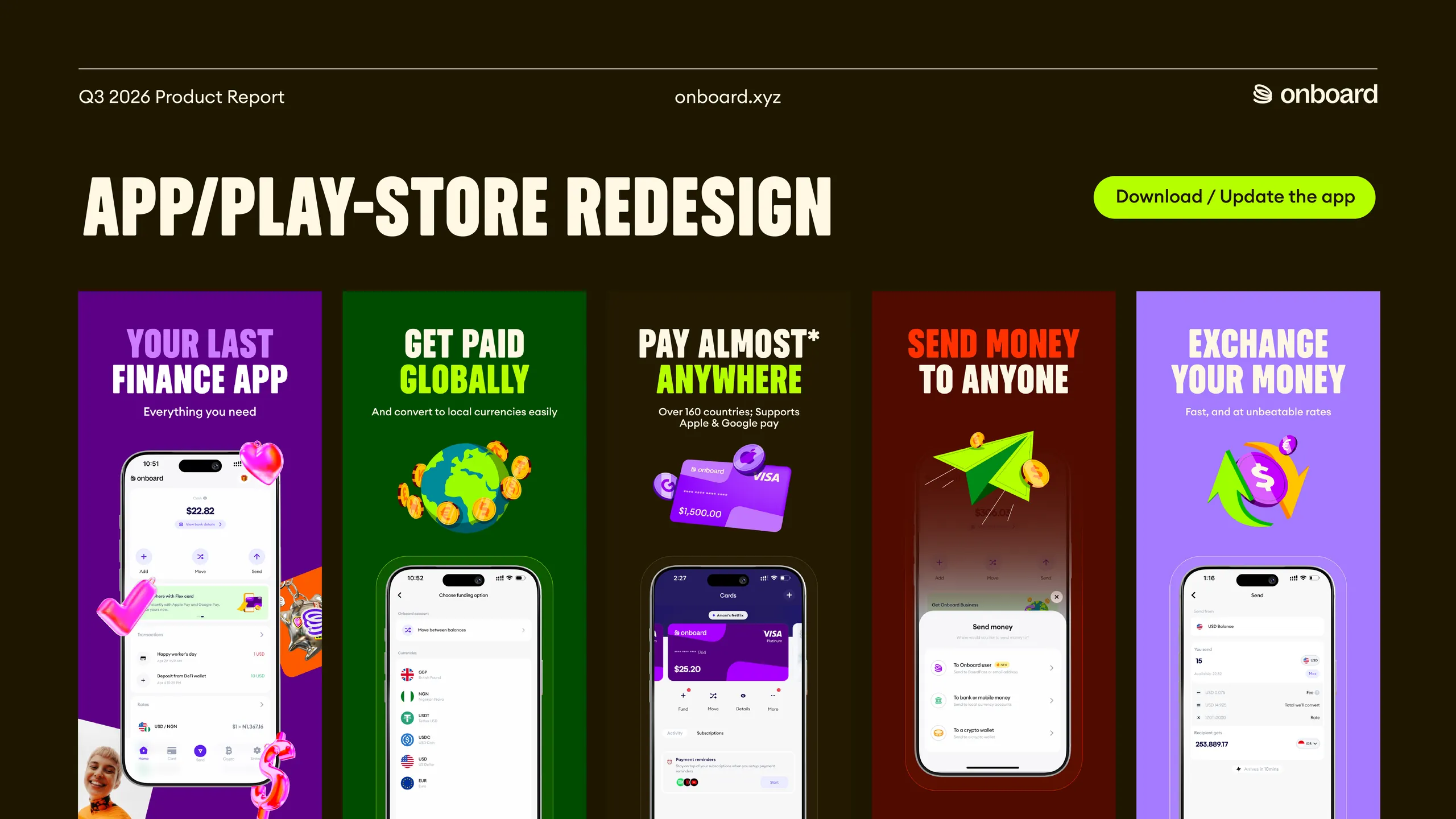
We also redesigned how the app shows up on the App Store and Play Store, so the screenshots finally match the app people actually use.
Marketing to businesses and individuals at the same time has been quite overwhelming. Two audiences, two kinds of language, two sets of questions, often in the same week. Some days it felt like running two companies' marketing at once.
But the results have been worth the wait, and we can't wait to see even better ones in Q4 and beyond. Seeing a personal user turn into a business customer is the clearest sign that both stories are really one story: making global finance accessible and easy for anyone.
What's next for Onboard Business in Q4
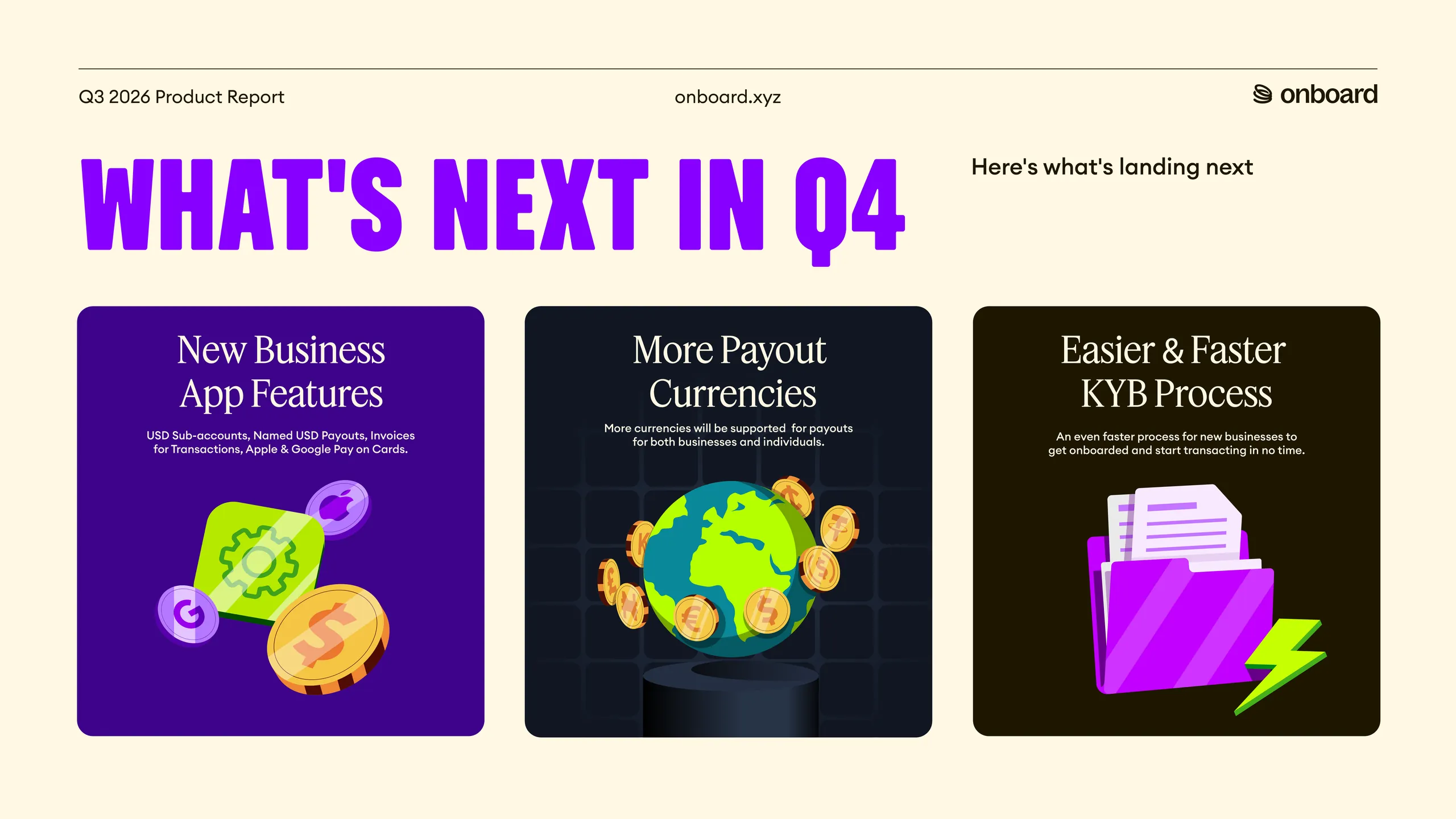
If you've read this far, you can probably guess where the Q4 list came from. Nearly every item on the slide above traces back to a call, a message or a request from a business that's already using Onboard. The faster KYB work in particular is Damilola and Kofo's process improvements reaching their next stage.
And the list isn't closed. Anyone can tell us what they'd like to see next, or write to us at [email protected].
The people behind the quarter
We won't pretend the last three months were easy. Launching a new product, changing leadership and marketing to two audiences at once is a lot, and everyone felt it.
What kept us steady was each other. Memory, who leads HR, checked in on the team often and made sure people were actually doing good. In a quarter like this one, that personal care mattered as much as any feature we shipped.
Cheers to the team's leadership for the vision and the handover. Big ups to everyone else across the engineering, support, product and growth teams, for building this together.
And most of all, to the people who use Onboard. Especially those who trusted us with their personal money first, and then trusted us with their business. You are a major reason Onboard Business exists.
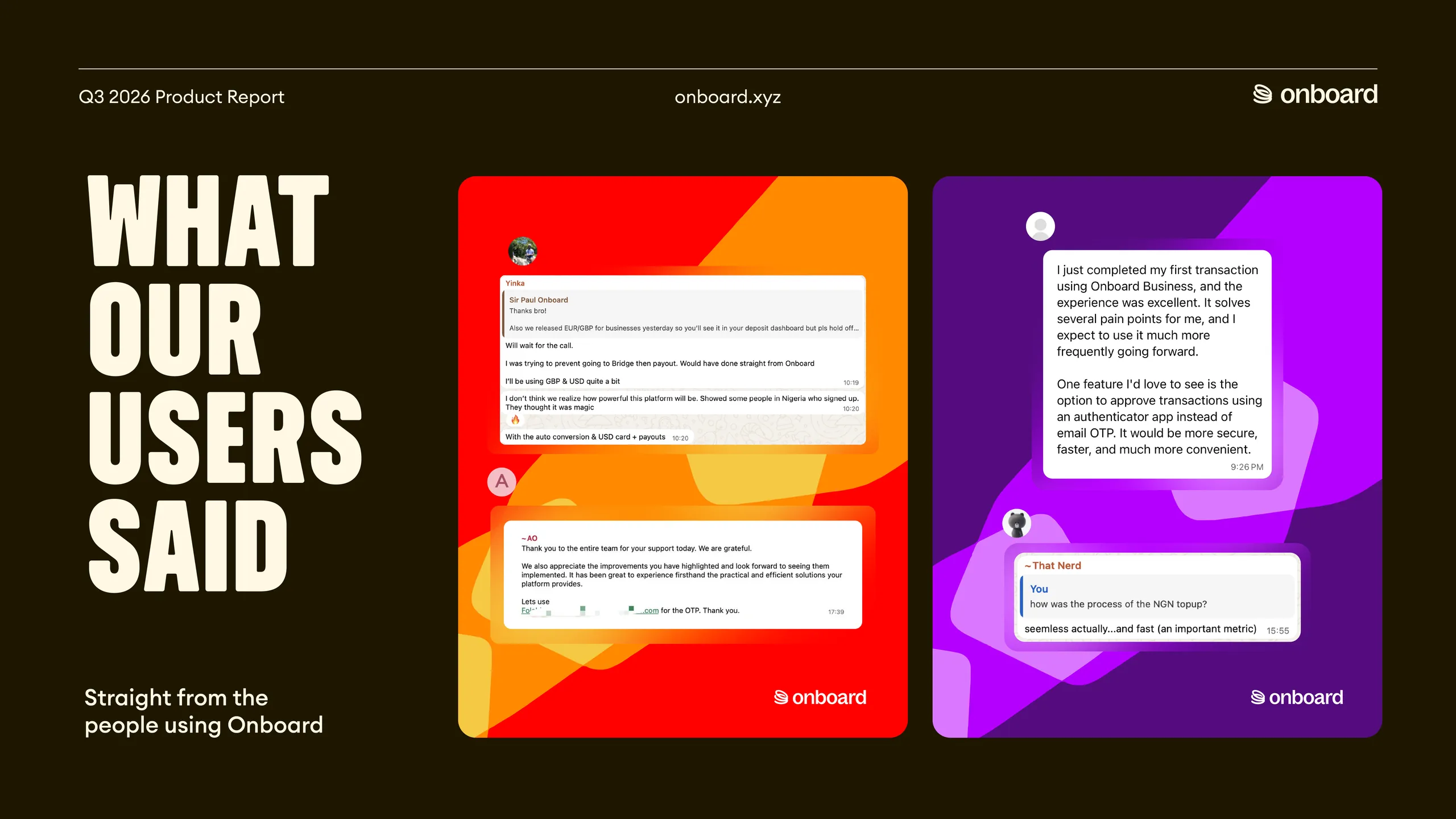
Here are some of the testimonials we got from businesses who already use Onboard in the last 3 months:
Ready to upgrade your business finances for Q4?
Open an Onboard Business Account or Book a Strategy Call with Our Team.
Want the full behind-the-scenes picture?
Explore the Q3 2026 Product Report Deck here.
Danke schön! And see you in Q4.


Related Articles

Your borderless life awaits.